
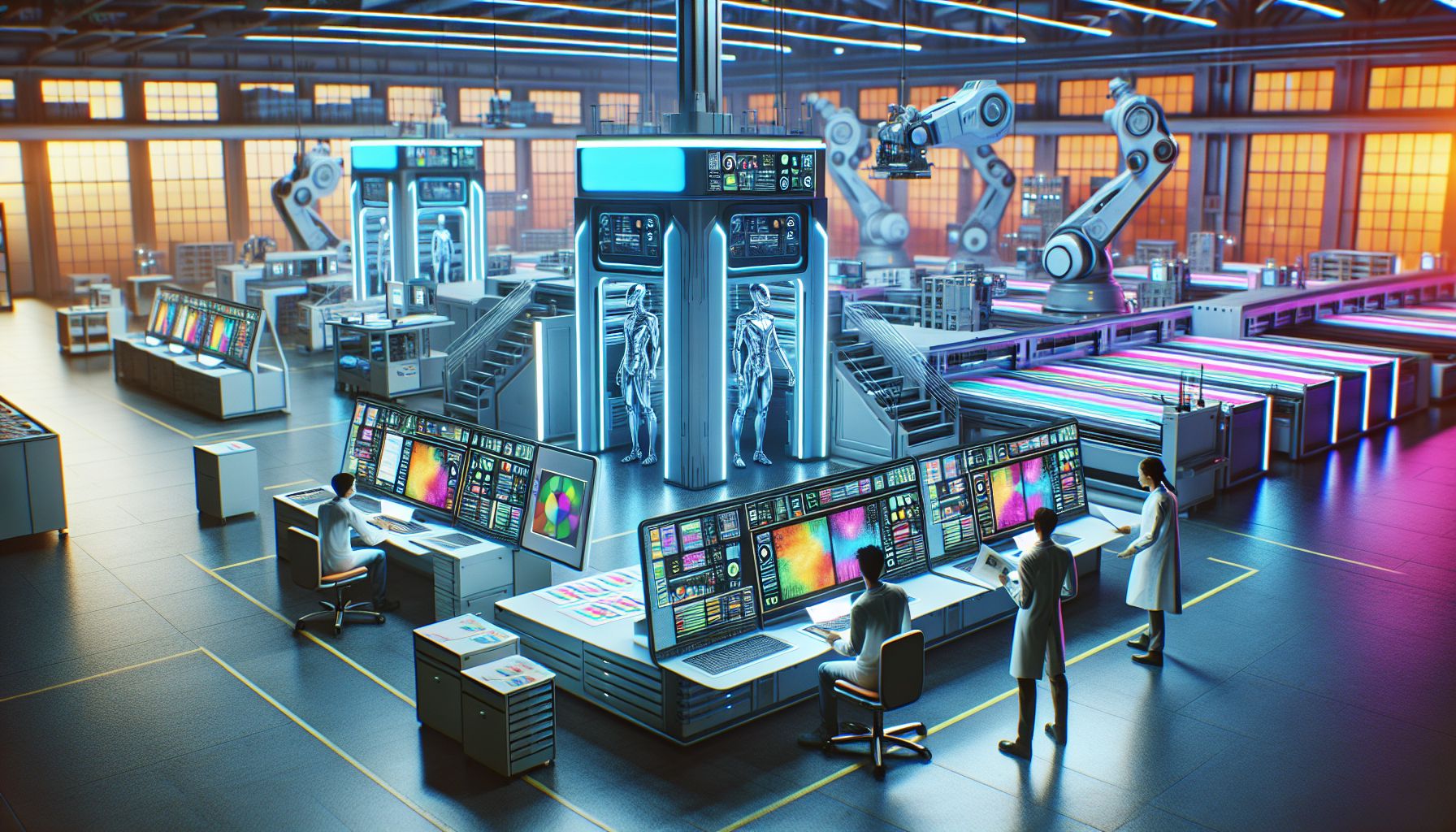
In recent years, the printing industry has experienced dramatic transformations. Driven by technological advancements and changing consumer behavior, these shifts have given rise to new trends, completely altering the landscape of the industry.
Currently, innovative technologies like 3D printing, digital printing, and green printing are spearheading these changes, leading to a continuous evolution that offers the potential for vast improvements in efficiency, quality, and sustainability.
In this article, we will delve into these phenomena that are shaping the future of the printing industry.
The Surge of Digital Printing
Perhaps the most significant shift in the printing industry is the drift from traditional offset printing to digital printing. With impressive speed, versatility, personalization abilities, and cost-effectiveness for small runs, digital printing is rapidly becoming the preferred choice for businesses worldwide.
A key driver of the transition to digital is the high demand for customized materials. From personalized magazines to targeted mail campaigns, consumers are increasingly drawn towards items that have a personal touch. Printers that can offer this level of customization are noticing a significant growth in their business.
With technology advancements like high-speed color inkjet printers, digital printing has become even faster and more efficient, making it possible to print high volumes at an impressive speed, without sacrificing quality.
The Rise of 3D Printing
Another trend that is redefining the industry is 3D printing. In the beginning, it was mainly used in the fields of architecture, engineering, and industrial design. But in recent years, it has expanded to other sectors such as healthcare, aerospace, automotive, and even the fashion industry.
The primary advantage of 3D printing is that it can create physical objects directly from digital blueprints, a process also known as additive manufacturing. This process drastically cuts down manufacturing time and unleashes an unprecedented level of creativity and innovation.
In addition to this, 3D printing also boasts environmental benefits. With less waste being generated and the ability to recycle used materials, it’s a sustainable alternative that is garnering wide acceptance.
Green Printing: The Print Industry’s Eco-Friendly Turn
As environmental concerns become more prominent, businesses across all sectors are focused on achieving sustainability, and the printing industry is not an exception. Green printing, which involves eco-friendly printing practices and materials, is steadily gaining traction.
In essence, green printing involves using recycled paper, vegetable-based inks, and energy-efficient printing machines, which contribute significantly to reducing the environmental impact of the printing industry.
In addition to being eco-friendly, green printing also makes good business sense. Companies that adopt these practices are finding favor with consumers who increasingly prefer to do business with environmentally responsible organizations.
The Integration of AR in Print Marketing
With the advance of Augmented Reality (AR) technology, print marketing has gained a new face. Integrating traditional print and digital marketing, AR offers an interactive experience to consumers, enabling them to engage with print materials in a new, exciting way.
By scanning an image with a smartphone, viewers can access additional multimedia content like videos, audio tracks, or interactive 3D models. This technology creates a synergy between print and digital media, enriching the overall consumer experience and positively influencing their engagement and retention rates.
Conclusion – Embracing the Future
The current trends in the printing industry represent a total paradigm shift spurred by technological innovations. The rise of digital printing, 3D printing integration, the adoption of green printing practices, and the application of AR in print marketing are significantly redefining the printing landscape.
While some may view these trends as challenges, forward-thinking players in the industry see them as opportunities to grow and innovate. As it is with every industry disrupted by technological changes, the key to thriving in the future of print lies in embracing these innovations, adapting to them, and ultimately using them to provide better services and create more value for customers.
The transformation of the printing industry signals an exciting future – one that is efficient, sustainable, and promising. By staying on top of these trends and harnessing their potential, businesses in the printing industry can positively shape their progress and stay competitive in this dynamic marketplace.